inserviceofsoil.org

Technology in
Service of Soil

Working with farmers to restore soil health, reduce harmful chemical dependency, and build farming systems that remain viable for both nature and livelihoods.

Modern farming has increased production, but in many places it has also created growing dependence on chemical fertilisers, pesticides, and external inputs. Farmers are often asked to protect the soil while carrying the financial risk of changing how they farm.

Voluntary initiative · Not accepting donations · Not an emergency service

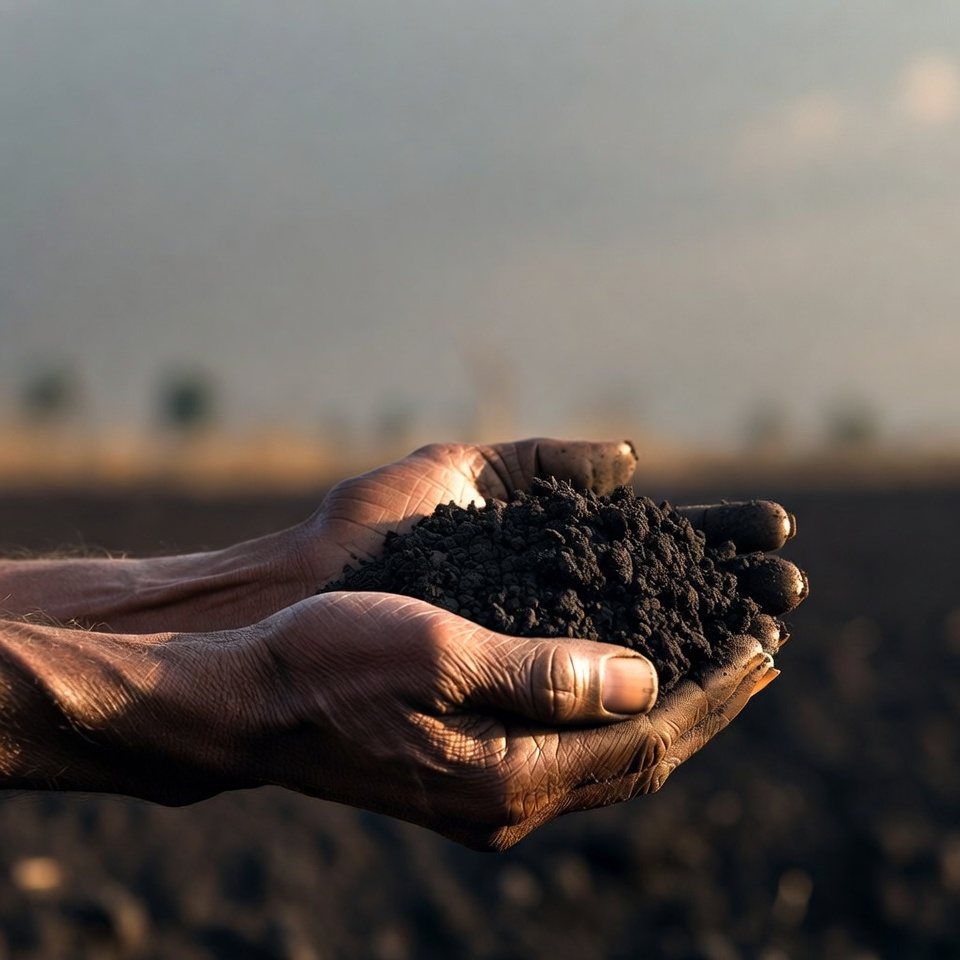
Farmer cupping living soil in their hands, Maharashtra field in background

The farmer is not outside the soil problem — the farmer is the person through whom soil can be protected.

The Problem

The soil is losing strength,
and the farmer is paying for it.

Repeated chemical-intensive cultivation has produced yields — but in many areas it has also quietly degraded the foundation those yields depend on.

  • Declining biological activity in soil
  • Reduced organic matter and water-holding capacity
  • Increasing pest and disease pressure over seasons
  • Rising input costs with diminishing returns
  • Growing dependence on fertilisers and pesticides
  • Monsoon dependency amplifying financial uncertainty
  • Crop choices that do not match local soil or market reality
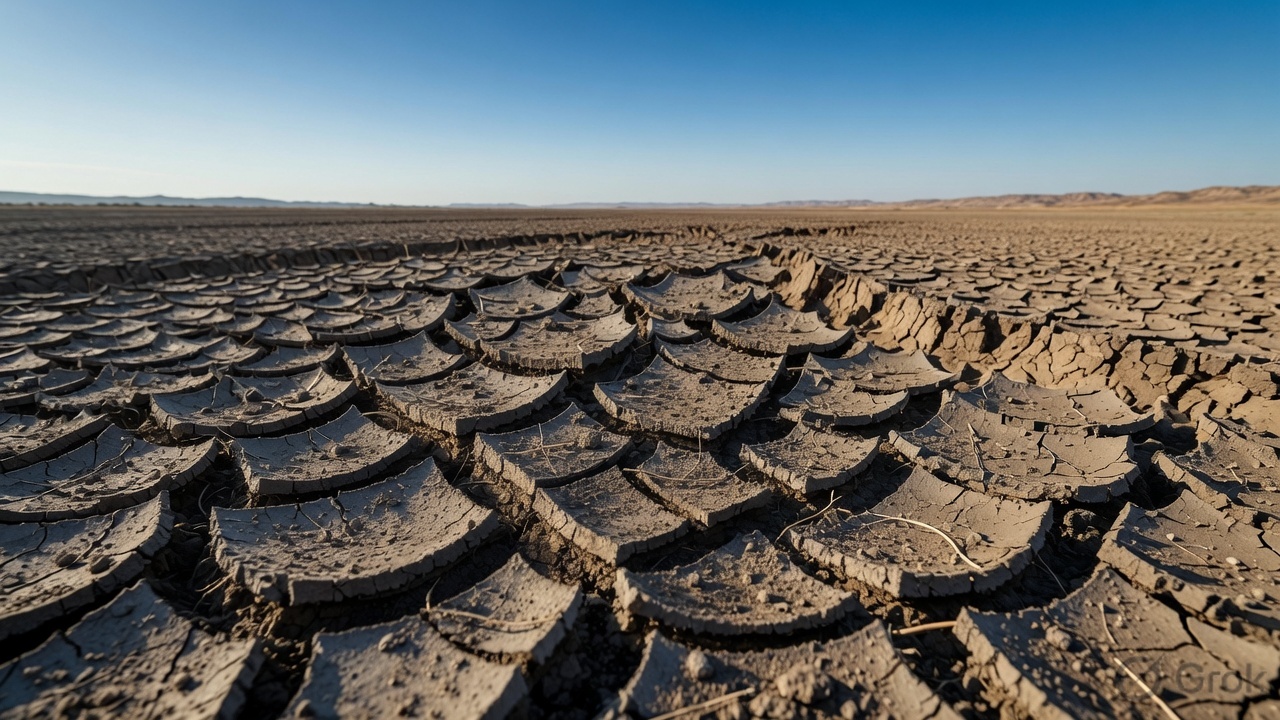
Cracked dry soil in an agricultural field

"The answer cannot be to simply tell farmers to stop using chemicals. A transition must be gradual, locally suitable, scientifically observed, and financially practical."

A transition must be
Gradual
Locally suitable
Scientifically observed
Financially practical
Supply-chain supported
Market- and community-backed
Green = Soil & EcologyBlue = Knowledge & DataYellow = Economics & MarketsWhite = Community & Process
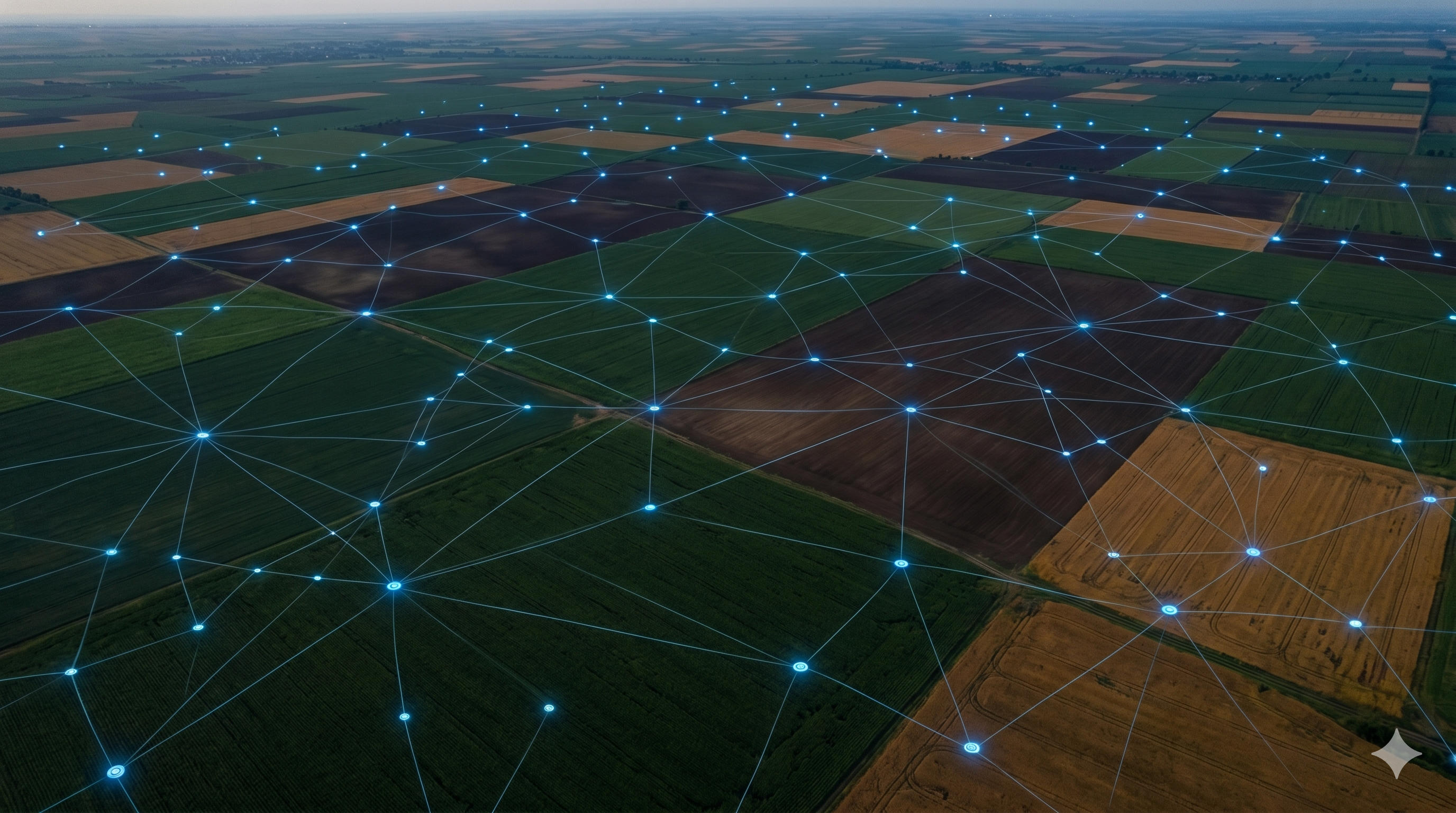
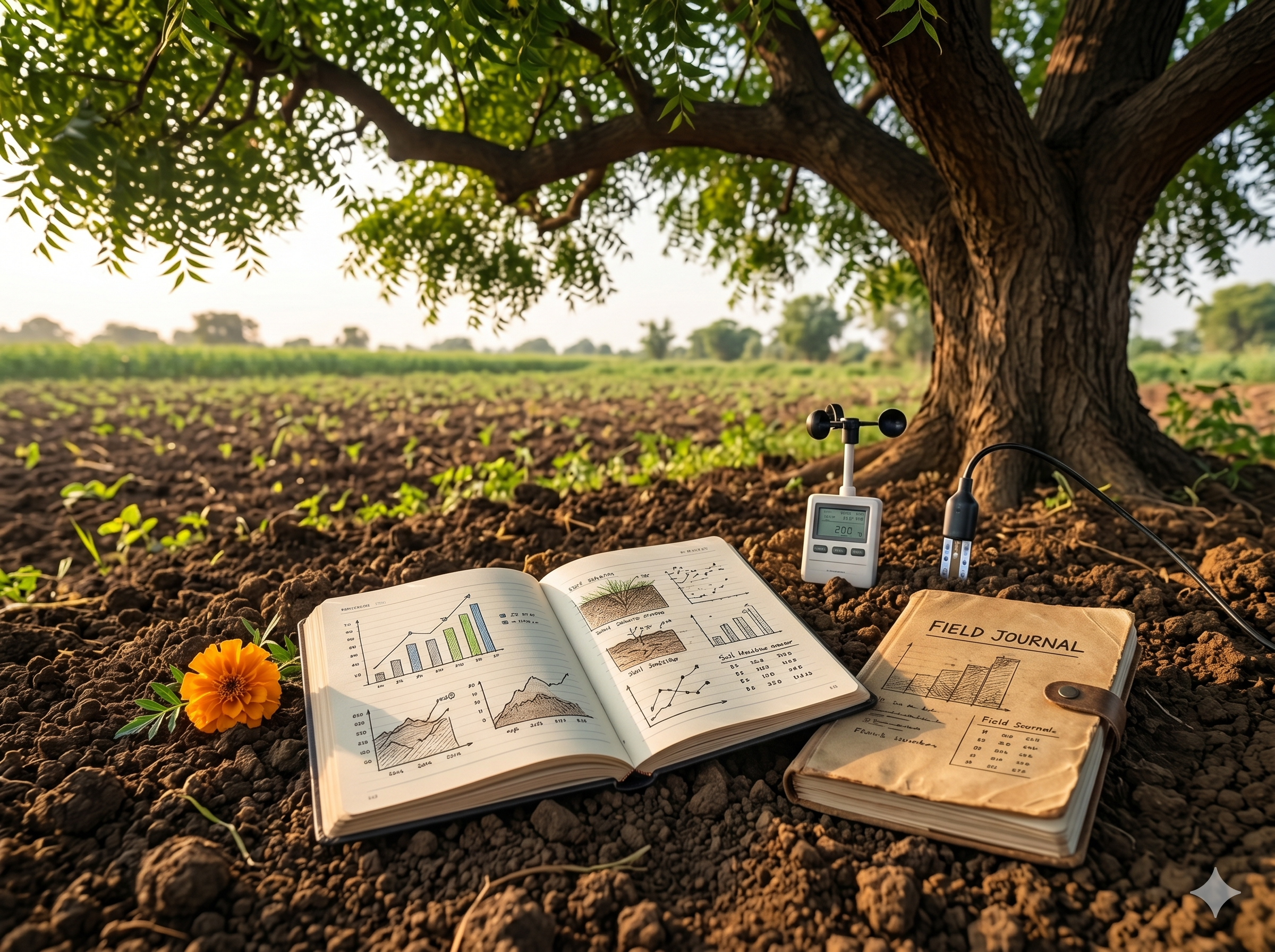
Tech and farmland — sensors and soil data
6
steps from
observation to outcome
How We Work

A disciplined path from problem to pilot

The goal is not to create another discussion platform. It is to build a small, disciplined process through which verified problems move toward practical action.

01
Listen
Collect field-level observations from credible sources — farmers, FPOs, agronomists, field workers.
02
Verify
Understand the context, cross-check with experts, and confirm the problem is real before recommending action.
03
Organise Capability
Bring together domain experts, field partners, institutions, technologists, and buyers.
04
Select One Problem
Choose something specific, measurable, and realistically actionable within a defined geography or crop.
05
Run a Small Pilot
Start with a limited cluster. Track inputs, outputs, costs, and farmer experience carefully.
06
Publish the Outcome
Share what worked, what failed, what was spent, and what was learned — publicly and honestly.
Main Work Areas

Five areas where technology can serve the soil

These are areas of exploration — not claims of completed solutions. We work where field knowledge, technology, and coordinated effort can move together.

01
Soil-Health Understanding
  • Soil testing and interpretation
  • Organic matter and biology tracking
  • Water-retention observations
  • Local soil knowledge documentation
02
Reduced Chemical Dependency
  • Identifying unnecessary or excessive inputs
  • Comparing alternative practices in field
  • Integrated pest management
  • Biological and natural input suitability
03
Farmer Economics
  • Input-cost tracking and comparison
  • Yield and quality documentation
  • Transition risk assessment
  • Shared resource access and buyer support
04
Farmer Knowledge Network
  • Farmer-to-farmer learning
  • Traditional practices documentation
  • Agronomist and researcher inputs
  • Local-language knowledge distribution
05
Responsible Demand
  • Buyers who value cultivation practices
  • Traceability and responsible sourcing
  • Better market visibility for soil-protecting farmers
  • Demand clarity before large-scale crop transition
Bringing farmers, small manufacturers, and field practitioners into the mainstream through technical leverage and operational efficiency is how these problems become solvable.
Current Stage

Starting with capability, not scale

In Service of Soil is in its earliest stage. Before inviting farmers to depend on this initiative, we are building a network of people and organisations capable of responding responsibly.

1

Build a credible contributor network of agronomists, farmers, researchers, and technologists

2

Connect with field organisations and FPOs already working on soil health

3

Gather verified, aggregated observations from multiple districts

4

Select one specific, measurable problem in one geography

5

Design and run one small pilot with clear inputs, outputs, and timelines

6

Publish the full process and learnings — including what did not work

The website is not the solution.
It is the starting point for finding people capable of building one.
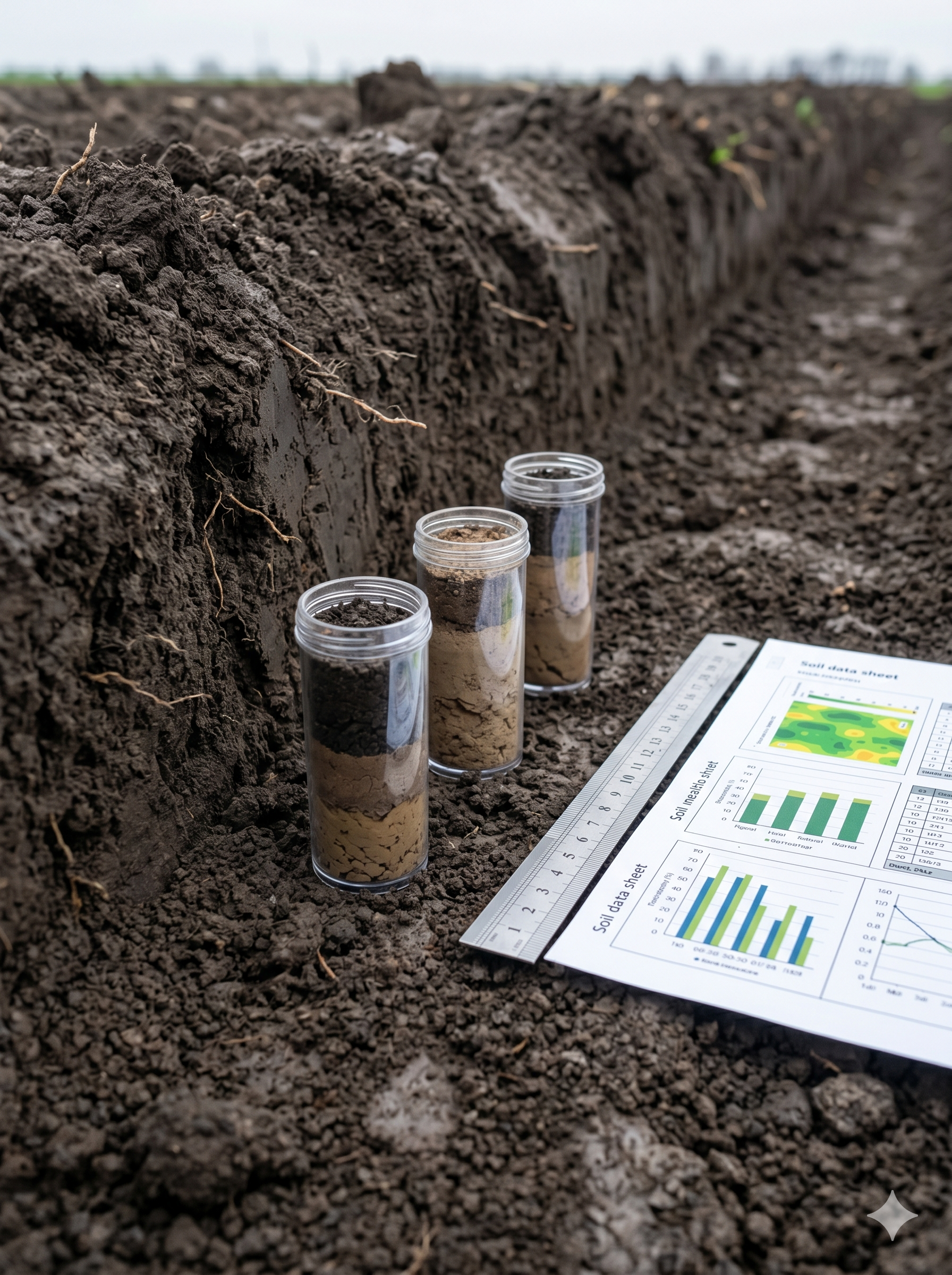
Farmer and researcher conducting soil testing in a field
Principles

How we intend to work

These are not aspirations. They are the minimum standard we hold ourselves to — or we stop.
Farmers and field workers in an open discussion in a field
01
No slogans without action
Communication must lead toward a testable intervention. We will not run campaigns that do not connect to verifiable field work.
02
No claims without evidence
We clearly distinguish between observations, assumptions, experiments, and verified outcomes.
03
No exploitation of suffering
We will not use distressed farmers or emotional imagery for publicity or fundraising.
04
No unverified advice
Agricultural, financial, legal, and mental-health guidance must come from qualified sources, not from enthusiasm.
05
No hidden commercial agenda
Any commercial relationship, sponsorship, or conflict of interest must be disclosed openly.
06
Start small, publish honestly
We prefer one measurable pilot over a large promise. Every outcome — good or bad — is published.
Participate

Contribute capability before collecting suffering.

Before inviting vulnerable people to depend on this initiative, we want to build a credible network of people and organisations capable of responding responsibly.

For people or organisations willing to contribute expertise, field access, technology, research, institutional support, or practical implementation.

Please select at least one area
In Service of Soil does not provide emergency, medical, legal, financial, agricultural, or mental-health services. For immediate mental-health support in India, contact Tele-MANAS at 14416.
Transparency

What this initiative is, and what it is not

This initiative is

  • Voluntary
  • Non-commercial
  • Experimental
  • Evidence-oriented
  • Collaborative
  • Focused on small, measurable pilots

This initiative is not

  • A donation campaign
  • An emergency-response service
  • A government body or scheme
  • A source of guaranteed agricultural advice
  • A loan or financial-relief service
  • A political platform or product channel

Our communication standard

We do not say

"Chemical farming is destroying everything."

That sounds ideological and may alienate the very farmers we want to work with.

We say

"Many current farming systems have created excessive dependency on chemical inputs, increasing both ecological and financial pressure. We want to work with farmers on practical transition pathways."

In Service of Soil does not provide emergency, medical, legal, financial, agricultural, or mental-health services.
For immediate mental-health support in India, contact the Government of India's Tele-MANAS helpline: 14416.
Aerial view of agricultural fields in Maharashtra at dawn
Get Involved

Put your knowledge, access, and technology
in service of soil.

We are looking for people who can contribute more than agreement — field access, agronomic experience, research capability, systems thinking, technology, institutional capacity, or the willingness to help execute one practical intervention.

Voluntary initiative · Non-commercial · We do not accept donations